
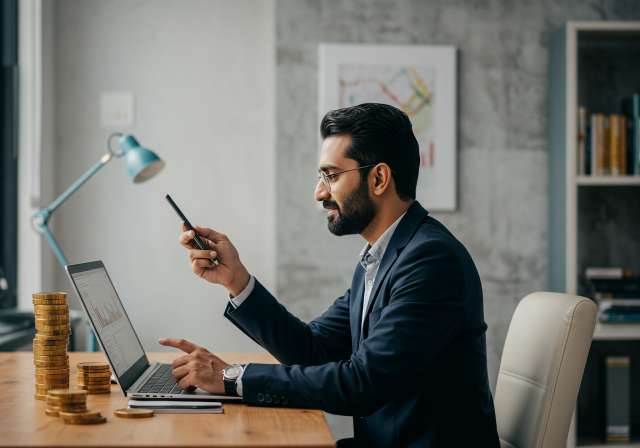

Safeguard your finances! Learn how to lock down your digital life strong passwords and two factor authentication. Protect your bank accounts, demat accounts, an
Safeguard your finances! Learn how to lock down your digital life strong passwords and two factor authentication. Protect your bank accounts, demat accounts, and mutual fund investments from cyber threats. Simple steps for Indian investors to bolster online security.
Protect Your Paisa: Passwords & 2FA for Indian Investors
Introduction: Digital Security is Now Financial Security
Namaste, fellow investors! In today’s interconnected world, our financial lives are increasingly intertwined with our digital presence. We manage our investments through online trading platforms like those offered by brokers registered with the NSE and BSE, diligently track our mutual fund SIPs online, and even file our taxes through e-portals. This convenience, however, comes with a significant caveat: increased vulnerability to cyber threats. Think of it – your entire investment portfolio, painstakingly built over years, could be at risk if a cybercriminal gains access to your online accounts.
We’ve all heard stories, haven’t we? The elderly gentleman who lost his life savings to a phishing scam. The young techie whose demat account was emptied after a password breach. These aren’t just cautionary tales; they’re real-life examples of what can happen when we neglect our digital security. Just like we wouldn’t leave our front door unlocked, we shouldn’t leave our digital lives exposed to potential threats. The SEBI (Securities and Exchange Board of India) constantly emphasizes investor awareness, and a key component of that is cybersecurity.
The Weak Link: Passwords – Your First Line of Defense
Let’s face it, we’ve all been guilty of password sins. “Password123,” “123456,” or even our date of birth – these are digital doormats for hackers. Think of your password as the gatekeeper to your financial fortress. Would you hire a security guard who’s easily bribed or overpowered? Of course not! Your password needs to be strong, unique, and diligently guarded.
What Makes a Strong Password?
- Length Matters: Aim for at least 12 characters. The longer, the better. Think of it like adding more locks to your door.
- Mix it Up: Combine uppercase and lowercase letters, numbers, and symbols. A password like “MySavingsPlan!2024” is significantly stronger than “savingsplan.”
- Avoid Personal Information: Don’t use your name, date of birth, pet’s name, or any other easily guessable information. Hackers often use social engineering techniques to gather this data.
- Be Unique: The same password for multiple accounts is a recipe for disaster. If one account is compromised, all your accounts are at risk. Think of it like using the same key for your house, car, and office – if someone gets that key, they can access everything.
Password Management: Keeping Track of Your Digital Keys
With so many different passwords to remember, it’s tempting to reuse passwords or write them down. However, these practices are incredibly risky. Consider using a password manager – a secure digital vault that stores your passwords and automatically fills them in when you log in to websites or apps. Reputable password managers use strong encryption to protect your data and can even generate strong, unique passwords for you. Some popular options include LastPass, 1Password, and Bitwarden. Think of it as having a digital butler who remembers all your keys and keeps them safe.
Level Up Your Security: Two-Factor Authentication (2FA)
Even with a strong password, your account can still be vulnerable to phishing attacks or malware. That’s where two-factor authentication (2FA) comes in. 2FA adds an extra layer of security by requiring a second form of verification in addition to your password. It’s like having a double lock on your door.
How Does 2FA Work?
When you enable 2FA, you’ll typically need to enter a code sent to your phone via SMS, generated by an authenticator app (like Google Authenticator or Authy), or verified through a security key. Even if someone steals your password, they won’t be able to access your account without this second factor.
Why is 2FA Crucial for Indian Investors?
Consider this: your demat account holds your shares, your mutual fund investments, and potentially a significant portion of your wealth. Enabling 2FA on your demat account and trading accounts is non-negotiable. Many brokers registered with the NSE and BSE offer 2FA as a standard security feature. Similarly, enabling 2FA on your bank accounts, email accounts, and other financial services is essential to protect your hard-earned money.
Think of it like this: you’ve invested in ELSS (Equity Linked Savings Scheme) to save on taxes and grow your wealth. Wouldn’t you want to take every precaution to protect that investment? 2FA is a simple yet powerful tool to do just that.
Different Types of 2FA
- SMS-Based 2FA: Sends a verification code to your phone via SMS. While convenient, it’s the least secure option as SMS messages can be intercepted.
- Authenticator App 2FA: Generates a time-based one-time password (TOTP) on your phone. More secure than SMS-based 2FA.
- Hardware Security Key: A physical device that plugs into your computer and generates a unique code. The most secure option, but also the least convenient.
Practical Steps for Indian Investors to Enhance Digital Security
Here’s a checklist to help you lock down your digital life and protect your financial assets:
- Audit Your Passwords: Change weak or reused passwords immediately. Use a password manager to generate and store strong, unique passwords.
- Enable 2FA Everywhere: Prioritize enabling 2FA on your bank accounts, demat accounts, trading accounts, email accounts, and any other financial services you use.
- Be Wary of Phishing: Never click on suspicious links or open attachments from unknown senders. Always verify the sender’s email address before responding. Remember, legitimate financial institutions will never ask for your password or OTP via email or phone.
- Update Your Software: Keep your operating system, web browser, and security software up to date. Software updates often include security patches that fix vulnerabilities.
- Monitor Your Accounts Regularly: Check your bank statements, demat account statements, and credit card statements regularly for any unauthorized transactions. Report any suspicious activity immediately to your bank or brokerage.
- Educate Yourself: Stay informed about the latest cyber threats and security best practices. Follow reputable cybersecurity blogs and news sources.
Conclusion: Investing in Security is Investing in Peace of Mind
In today’s digital age, protecting your financial assets requires more than just smart investment decisions. It also requires a proactive approach to cybersecurity. By taking simple steps like creating strong passwords and enabling 2FA, you can significantly reduce your risk of becoming a victim of cybercrime and safeguard your hard-earned money.
Think of it as diversifying your investment portfolio – you wouldn’t put all your eggs in one basket, would you? Similarly, you shouldn’t rely solely on passwords to protect your digital life. 2FA is like adding another layer of protection, ensuring that even if one layer is breached, your assets remain safe. Remember, your financial well-being depends on it! So, take the time to lock down your digital life strong passwords and two factor authentication today – your future self will thank you.

Be First to Comment