

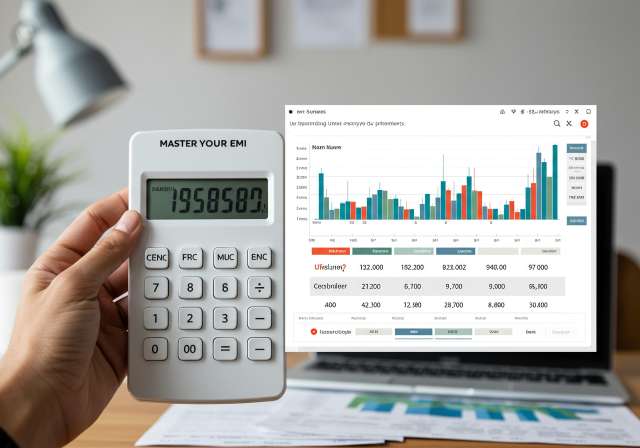
Looking for a good stock broker in India? Navigate the Indian stock market with confidence! Discover the best brokers, compare fees, platforms, and services to
Looking for a good stock broker in india? Navigate the Indian stock market with confidence! Discover the best brokers, compare fees, platforms, and services to make informed investment decisions. Start your journey towards financial success today!
Finding the Right Partner: Choosing a Good Stock Broker in India
Introduction: Your Gateway to the Indian Stock Market
The Indian stock market, comprising the National Stock Exchange (NSE) and the Bombay Stock Exchange (BSE), offers a plethora of opportunities for investors to grow their wealth. Whether you are a seasoned trader or a novice just starting your investment journey, choosing the right stock broker is a crucial first step. A good stock broker acts as your gateway to the market, providing you with the platform, tools, and support you need to navigate the complexities of equity markets, mutual funds, and other investment instruments.
Why a Good Stock Broker Matters: More Than Just Order Execution
In today’s fast-paced financial world, a stock broker is more than just an order execution platform. They are your partners in wealth creation, offering a range of services to help you make informed decisions and manage your investments effectively. Here’s why choosing wisely is so important:
- Access to Market Insights: Reputable brokers provide research reports, market analysis, and expert opinions to help you understand market trends and identify promising investment opportunities. This is invaluable for both beginners and experienced investors.
- Advanced Trading Platforms: Modern trading platforms offer real-time data, charting tools, and order management features to facilitate seamless and efficient trading. The platform should be user-friendly and accessible on various devices.
- Investment Advisory Services: Some brokers offer personalized investment advisory services, helping you create a portfolio tailored to your financial goals, risk tolerance, and investment horizon.
- Customer Support: Reliable customer support is crucial, especially when you encounter technical issues or have questions about your investments. Choose a broker with readily available and responsive customer service channels.
- Transparent Pricing and Fees: Understanding the brokerage fees, account maintenance charges, and other costs associated with your account is essential. Opt for a broker with transparent pricing and no hidden fees.
Key Factors to Consider When Choosing a Stock Broker
Selecting the right stock broker involves careful consideration of several factors. Here’s a comprehensive checklist to guide your decision-making process:
1. Regulatory Compliance and Security
Ensure that the broker is registered with the Securities and Exchange Board of India (SEBI), the regulatory body for the Indian securities market. SEBI registration ensures that the broker adheres to established regulations and protects investor interests. Look for brokers who prioritize security measures to safeguard your account and personal information.
2. Brokerage Fees and Charges
Compare the brokerage fees charged by different brokers. Brokerage fees can vary significantly, ranging from a percentage of the transaction value to a fixed fee per trade. Also, consider other charges such as account maintenance fees, Demat account charges, and transaction taxes. Discount brokers typically offer lower brokerage fees compared to full-service brokers.
3. Trading Platform and Tools
Evaluate the trading platform offered by the broker. The platform should be user-friendly, intuitive, and equipped with advanced charting tools, real-time data feeds, and order management features. Ensure that the platform is accessible on desktop, web, and mobile devices. Many platforms offer demo accounts that you can use to test their features before committing.
4. Investment Options
Consider the range of investment options offered by the broker. A good stock broker should provide access to a wide variety of asset classes, including equity shares, mutual funds, IPOs, derivatives (futures and options), commodities, and currency trading. If you are interested in investing in specific asset classes, ensure that the broker offers them.
5. Research and Advisory Services
Assess the quality of research and advisory services provided by the broker. Reputable brokers offer research reports, market analysis, and investment recommendations to help you make informed decisions. If you are new to investing, consider choosing a broker with robust research and advisory services.
6. Customer Support
Evaluate the quality of customer support offered by the broker. A responsive and helpful customer support team can be invaluable, especially when you encounter technical issues or have questions about your investments. Check the availability of customer support channels, such as phone, email, and live chat.
7. Account Opening Process
The account opening process should be seamless and straightforward. Most brokers offer online account opening facilities, which can save you time and effort. Ensure that the broker requires minimal documentation and provides clear instructions for completing the account opening process.
8. Margin and Leverage
If you plan to trade with margin or leverage, understand the margin requirements and interest rates charged by the broker. Using margin can amplify your gains but also increase your losses. Exercise caution and only trade with margin if you have a thorough understanding of the risks involved.
Types of Stock Brokers in India
Stock brokers in India can be broadly categorized into two types:
- Full-Service Brokers: Full-service brokers offer a comprehensive range of services, including research and advisory services, personalized investment advice, and access to a wide range of investment products. They typically charge higher brokerage fees compared to discount brokers. Examples include traditional brokerage houses and large financial institutions.
- Discount Brokers: Discount brokers offer a no-frills trading experience at a lower cost. They primarily focus on order execution and provide minimal research or advisory services. Discount brokers are ideal for experienced traders who are comfortable making their own investment decisions.
Investment Options Through a Stock Broker
A good stock broker provides access to a wide range of investment options, including:
- Equity Shares: Investing in equity shares allows you to own a portion of a company and participate in its growth.
- Mutual Funds: Mutual funds are professionally managed investment schemes that pool money from multiple investors to invest in a diversified portfolio of stocks, bonds, or other assets. Systematic Investment Plans (SIPs) are a popular way to invest in mutual funds regularly.
- Initial Public Offerings (IPOs): IPOs are the first offering of shares by a private company to the public.
- Derivatives (Futures and Options): Derivatives are contracts whose value is derived from an underlying asset, such as stocks, indices, or commodities. They are used for hedging and speculation.
- Exchange Traded Funds (ETFs): ETFs are investment funds that track a specific index, commodity, or basket of assets.
- Government Securities: Investing in government securities provides a safe and stable investment option with guaranteed returns.
- Corporate Bonds: Corporate bonds are debt instruments issued by corporations to raise capital.
Tax Implications of Investing Through a Stock Broker
Understanding the tax implications of your investments is crucial for effective financial planning. Here are some key tax considerations for Indian investors:
- Capital Gains Tax: Capital gains tax is levied on the profits earned from the sale of capital assets, such as stocks and mutual funds. The tax rate depends on the holding period of the asset. Short-term capital gains (STCG) are taxed at the applicable income tax slab rate, while long-term capital gains (LTCG) are taxed at a concessional rate of 10% (for gains exceeding ₹1 lakh) for equity shares and equity-oriented mutual funds.
- Securities Transaction Tax (STT): STT is a tax levied on the purchase and sale of securities on the stock exchanges.
- Dividend Income: Dividend income from equity shares and mutual funds is taxable in the hands of the investor.
- Tax-Saving Investments: Certain investments, such as Equity Linked Savings Schemes (ELSS) mutual funds, Public Provident Fund (PPF), and National Pension System (NPS), offer tax benefits under Section 80C of the Income Tax Act. These investments can help you reduce your taxable income and save on taxes.
Conclusion: Making an Informed Decision
Choosing a good stock broker in India is a critical decision that can significantly impact your investment success. By carefully considering the factors discussed in this article, you can select a broker that meets your specific needs and helps you achieve your financial goals. Remember to conduct thorough research, compare different brokers, and read reviews before making a final decision. Happy investing!

Be First to Comment