
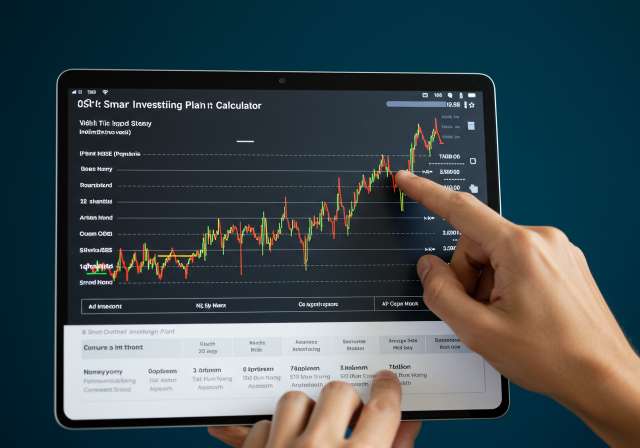

Confused by the stock market? Find your way to financial wisdom! Learn how to identify a reliable financial mentor, avoid scams, and build a secure investment p
Confused by the stock market? Find your way to financial wisdom! Learn how to identify a reliable financial mentor, avoid scams, and build a secure investment portfolio. Navigate the world of SIPs, mutual funds, and more with confidence. Discover the traits of the best guru for your financial journey.
Finding Financial Wisdom: How to Choose the Right Mentor
The Allure of the Financial Guru: Why We Seek Guidance
In the labyrinthine world of Indian finance, where Sensex and Nifty fluctuations seem to follow their own unpredictable rhythms, it’s only natural to seek a guiding light. We’re bombarded with investment opportunities – mutual funds promising stellar returns, IPOs generating buzz, and stock tips circulating faster than WhatsApp forwards. It’s easy to feel overwhelmed, especially for those new to the investment game. That’s where the idea of a “financial guru” comes in – someone who can decipher the complexities, offer sound advice, and steer us toward financial success.
Think of it like learning to ride a bicycle. You could try to figure it out yourself, inevitably falling and scraping your knees. Or, you could ask someone experienced to guide you, offering tips on balance, steering, and avoiding obstacles. A good financial mentor plays a similar role, helping you navigate the challenges of the market and build a secure financial future.
But the search for the right financial guru isn’t always straightforward. The financial landscape is teeming with self-proclaimed experts, each vying for your attention and investment. So, how do you separate the wheat from the chaff? How do you ensure you’re entrusting your hard-earned money to someone with genuine expertise and integrity?
Decoding the Qualities of a Reliable Financial Advisor
Before you blindly follow any advice, take a step back and assess what qualities truly matter in a financial advisor. Here are some key traits to look for:
1. Credentials and Regulatory Compliance
In India, SEBI (Securities and Exchange Board of India) regulates financial advisors. A genuine advisor should be registered with SEBI and possess the necessary certifications. This ensures they adhere to certain ethical and professional standards. Don’t hesitate to ask for proof of their registration and credentials. Think of it like checking the driving license of your driving instructor – it’s a basic requirement.
- SEBI Registration: Essential for practicing legally.
- Certifications: Look for certifications like CFP (Certified Financial Planner) or similar recognized qualifications.
- Background Checks: Inquire about their past regulatory compliance and any disciplinary actions taken against them.
2. Transparency and Disclosure
A trustworthy advisor will be upfront about their fees, potential conflicts of interest, and the risks involved in any investment. They should explain everything in plain language, avoiding jargon and technical terms that might confuse you. Transparency builds trust, which is crucial in a financial relationship.
Imagine buying a second-hand car. Would you trust a seller who hides the car’s history and mechanical issues? Similarly, a good financial advisor will be transparent about their recommendations and potential drawbacks.
3. A Fiduciary Duty: Putting Your Interests First
Ideally, you want an advisor who operates under a fiduciary duty. This means they are legally obligated to act in your best interests, even if it means sacrificing their own profits. While not all advisors are fiduciaries, it’s a significant advantage. It provides an extra layer of protection and ensures your financial well-being is their top priority.
4. Experience and Expertise
While years of experience don’t guarantee success, they do indicate a certain level of understanding of the market and its cycles. Look for advisors who have navigated various market conditions – bull markets, bear markets, and periods of economic uncertainty. Their experience can provide valuable insights and help you avoid costly mistakes. Also, consider their area of expertise. Do they specialize in retirement planning, tax optimization, or specific investment strategies like real estate or equity investments? Find someone whose expertise aligns with your specific financial goals.
5. Communication Skills and Empathy
A good financial advisor should be an excellent communicator, capable of explaining complex financial concepts in a clear and concise manner. They should also be empathetic and understanding of your individual circumstances, financial goals, and risk tolerance. After all, financial advice isn’t one-size-fits-all. It should be tailored to your specific needs and aspirations.
Think of it like visiting a doctor. You want a doctor who not only diagnoses your illness but also explains the treatment options clearly and empathizes with your concerns. Similarly, a good financial advisor will listen to your concerns, understand your goals, and provide personalized advice.
Red Flags to Watch Out For: Avoiding the Pitfalls
Just as there are qualities that define a good financial advisor, there are also red flags that should raise alarm bells. Be wary of advisors who:
- Guarantee high returns: No investment is guaranteed. Promises of unusually high returns are often a sign of a scam or overly risky strategy. Remember the age-old adage: “If it sounds too good to be true, it probably is.”
- Pressure you to invest quickly: A legitimate advisor will give you time to consider your options and never pressure you into making hasty decisions.
- Lack transparency about fees: They should be upfront about their fees and how they are compensated. Avoid advisors who are vague or evasive about their charges.
- Push specific products aggressively: Be cautious of advisors who seem more interested in selling you specific products than in understanding your financial needs. They might be earning commissions on those products, creating a conflict of interest.
- Have a history of regulatory violations: Check their background with SEBI to see if they have a history of complaints or disciplinary actions.
Beyond the Guru: Building Your Own Financial Literacy
While a financial advisor can provide valuable guidance, it’s essential to develop your own financial literacy. After all, your financial future is ultimately your responsibility. The investment landscape in India is vast, and understanding key concepts can empower you to make informed decisions.
Here are some steps you can take to improve your financial knowledge:
- Read financial news and publications: Stay informed about market trends, economic developments, and investment strategies. Reputable sources like the Economic Times, Business Standard, and Livemint can provide valuable insights.
- Take online courses or workshops: Numerous online platforms offer courses on personal finance, investing, and wealth management.
- Attend financial seminars and webinars: Many financial institutions and organizations conduct seminars and webinars on various financial topics.
- Read books on personal finance: There are countless books available on personal finance and investing. Choose books that are relevant to your specific needs and goals.
- Start small with SIPs: Systematic Investment Plans (SIPs) in mutual funds are a great way to start investing with small amounts and learn about the market over time. Consider investing in ELSS (Equity Linked Savings Scheme) funds to save on taxes under Section 80C.
The Path to Financial Independence: A Journey, Not a Destination
Finding the right financial mentor is a crucial step towards achieving your financial goals. However, remember that it’s just one piece of the puzzle. Building a secure financial future requires a combination of expert guidance, personal responsibility, and continuous learning. It’s a journey, not a destination. By combining the insights of a trusted advisor with your own financial literacy, you can navigate the complexities of the Indian market with confidence and build a brighter financial future for yourself and your family. The search for the best guru is a search for someone who empowers you to make your own informed decisions, not simply dictating them.

Be First to Comment