

Unlock India’s stock market! Learn everything about opening a Demat account online. Our guide simplifies the process, explains costs, and helps you choose the b
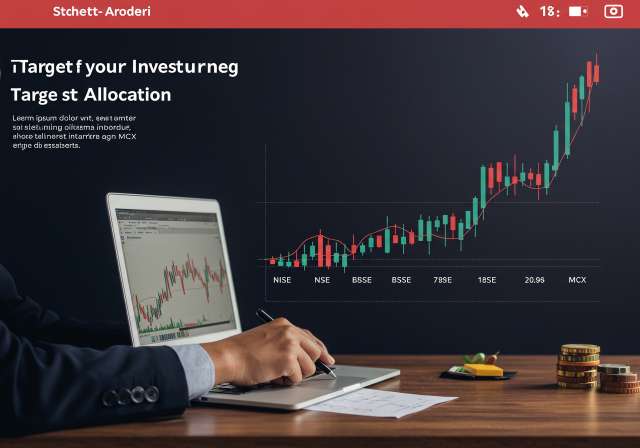
Unlock India’s stock market! Learn everything about opening a Demat account online. Our guide simplifies the process, explains costs, and helps you choose the best broker for secure investments. Start your investment journey today!
Demat Account Opening in India: A Comprehensive Guide
Introduction: Your Gateway to the Indian Stock Market
Imagine you’re eager to buy ripe mangoes at your local fruit market. You can’t just walk in, point, and grab them, can you? You need a basket or a bag to carry them home. Similarly, in the world of investments, you need a Demat account to hold your shares, bonds, and other securities in electronic form. Think of it as your digital locker for financial assets.
The Indian stock market, regulated by SEBI (Securities and Exchange Board of India), has evolved significantly. Gone are the days of physical share certificates that were prone to loss, theft, or damage. The introduction of Demat accounts has revolutionized the way Indians invest, making it faster, more secure, and more convenient. Whether you’re dreaming of investing in Reliance Industries, Tata Consultancy Services, or exploring the exciting world of IPOs (Initial Public Offerings), a Demat account is your essential first step.
What Exactly is a Demat Account?
Demat, short for Dematerialization, refers to the process of converting physical share certificates into electronic form. A Demat account is thus a digital repository where these dematerialized securities are held. It’s linked to your trading account, which is used for buying and selling shares on stock exchanges like the NSE (National Stock Exchange) and BSE (Bombay Stock Exchange).
Think of your Demat account as your bank account for securities. Just as you deposit money in your bank account, you hold shares and other investments in your Demat account. When you buy shares, they are credited to your Demat account, and when you sell them, they are debited. This entire process is seamless and electronic, ensuring greater efficiency and security.
Why Do You Need a Demat Account?
Here’s why having a Demat account is crucial for any Indian investor:
- Mandatory for Trading: SEBI mandates that all transactions in the Indian stock market must be conducted through Demat accounts. You simply cannot buy or sell shares without one.
- Security and Convenience: Say goodbye to the risks associated with physical share certificates. Demat accounts eliminate the possibilities of forgery, theft, damage, or loss. Plus, managing your investments electronically is far more convenient.
- Faster Transactions: The dematerialization process speeds up share transfers and settlements. No more waiting for weeks to receive your share certificates or for them to be transferred.
- Ease of Corporate Actions: Corporate actions like bonus issues, rights issues, and stock splits are automatically credited to your Demat account. You don’t have to go through the hassle of submitting physical forms.
- Investment in Multiple Asset Classes: A Demat account allows you to hold various investment instruments, including equity shares, debt instruments, mutual funds, and Exchange Traded Funds (ETFs).
- Simplified Loan Process: Shares held in your Demat account can be used as collateral for securing loans.
How to Open a Demat Account in India: A Step-by-Step Guide
Opening a Demat account is now easier than ever, thanks to online platforms. Here’s a step-by-step guide to help you get started:
1. Choose a Depository Participant (DP)
A DP is an intermediary between you and the depository (NSDL or CDSL). They facilitate the opening and operation of your Demat account. Banks, brokerage firms, and financial institutions can act as DPs. Consider factors like brokerage charges, account maintenance fees, online trading platform, research reports, and customer service before choosing a DP. Popular DPs in India include Zerodha, Upstox, Angel One, ICICI Direct, and HDFC Securities.
2. Fill Out the Application Form
You can either download the application form from the DP’s website or fill it out online. You’ll need to provide personal details like your name, address, PAN card number, Aadhaar number, bank account details, and nominee details. Ensure that all information is accurate to avoid delays.
3. KYC (Know Your Customer) Verification
KYC is a mandatory process to verify your identity and address. You’ll need to submit copies of your PAN card, Aadhaar card, address proof (like passport, driving license, or utility bill), and passport-sized photographs. Many DPs offer online KYC verification through video calls, making the process even more convenient.
4. In-Person Verification (IPV)
While many DPs now offer online KYC, some may still require in-person verification. This involves visiting the DP’s branch to verify your documents and signature.
5. Agreement and Account Activation
Once your application and KYC are verified, you’ll need to sign an agreement with the DP. This agreement outlines the terms and conditions of your Demat account. After signing the agreement, your Demat account will be activated, and you’ll receive your account number and login credentials.
Documents Required for Demat Account Opening
Here’s a checklist of the documents you’ll need:
- Proof of Identity (POI): PAN card (mandatory), Aadhaar card, passport, driving license, voter ID card.
- Proof of Address (POA): Aadhaar card, passport, driving license, voter ID card, utility bill (electricity bill, telephone bill), bank statement.
- Proof of Income (POI): Bank statement, salary slip, Income Tax Return (ITR) copy. (This may not be required by all DPs but is good to have ready).
- Passport-sized photographs: Usually one or two.
Demat Account Charges and Fees
Opening and maintaining a Demat account involves certain charges and fees. Understanding these costs is crucial for making informed decisions.
- Account Opening Charges: Some DPs charge a one-time fee for opening a Demat account, while others offer free account opening.
- Annual Maintenance Charges (AMC): This is an annual fee charged by the DP for maintaining your Demat account. The AMC amount varies depending on the DP.
- Transaction Charges: These are charges levied on each buy or sell transaction you make through your trading account. The charges are usually a percentage of the transaction value or a fixed amount per transaction.
- Dematerialization Charges: If you want to convert physical share certificates into electronic form, you’ll have to pay dematerialization charges.
- Rematerialization Charges: Conversely, if you want to convert electronic shares back into physical certificates, you’ll be charged rematerialization fees.
Choosing the Right Depository Participant (DP)
Selecting the right DP is a crucial decision. Here are some factors to consider:
- Brokerage Charges: Compare the brokerage charges of different DPs to find the one that suits your trading style and budget. Some DPs offer flat-fee brokerage plans, while others charge a percentage of the transaction value.
- Account Maintenance Fees: Check the AMC charged by different DPs and choose the one that offers the most competitive rates.
- Online Trading Platform: Ensure that the DP offers a user-friendly and reliable online trading platform with features like real-time quotes, charting tools, and research reports.
- Research Reports and Advisory Services: If you’re a beginner, consider choosing a DP that offers research reports and advisory services to help you make informed investment decisions.
- Customer Service: Opt for a DP with excellent customer service and a responsive support team.
- Reputation and Reliability: Choose a DP with a good reputation and a proven track record of reliability. Check online reviews and ratings to get an idea of the DP’s performance.
Demat Account vs. Trading Account: Understanding the Difference
It’s essential to understand the difference between a Demat account and a trading account:
A Demat account is like a bank locker where you hold your securities in electronic form. It’s used to store your shares, bonds, and other investments.
A Trading account is used to buy and sell securities on the stock exchange. It’s like your online portal for placing orders and executing transactions.
You need both a Demat account and a trading account to invest in the Indian stock market. The trading account is linked to your Demat account, and when you buy shares, they are credited to your Demat account, and when you sell them, they are debited.
Nomination Facility in Demat Account
Nomination is a crucial aspect of Demat account management. It allows you to nominate a person who will inherit your securities in the event of your demise. Nominating someone ensures a smooth transfer of your assets and avoids legal complications. You can nominate one or more individuals, and you can change your nominee at any time. Make sure to keep your nomination details up to date.
Tips for Managing Your Demat Account Effectively
- Keep Your Login Credentials Safe: Protect your Demat account login credentials and change your password regularly.
- Monitor Your Transactions: Regularly monitor your Demat account statements to ensure that all transactions are accurate and authorized.
- Update Your Contact Details: Keep your contact details (address, phone number, email address) up to date with your DP to receive important updates and notifications.
- Be Aware of Scams: Be cautious of unsolicited emails or phone calls offering investment advice or promising high returns. Never share your Demat account details with anyone.
- Consider SIPs (Systematic Investment Plans): If you’re new to investing, consider investing through SIPs. SIPs allow you to invest a fixed amount regularly, helping you to build a portfolio gradually. Many mutual funds offer SIP options through Demat accounts.
- Explore ELSS (Equity Linked Savings Scheme): If you are looking to save taxes under Section 80C, consider investing in ELSS funds via your Demat account. These offer tax benefits along with potential for high returns.
Conclusion: Embark on Your Investment Journey
Opening a Demat account is the first step towards participating in the Indian stock market and achieving your financial goals. With the convenience of online platforms and the security of electronic transactions, investing has never been easier. By understanding the process, choosing the right DP, and managing your account effectively, you can unlock the potential of the Indian stock market and build a prosperous future. So, take the plunge, Open Demat Account in India, and start your investment journey today!

Be First to Comment